• Skip to main content
(800) 817-8763
Get a Free Quote
Menu
  • Products
    • Countertops
      • Granite Countertops
      • Quartz Countertops
      • Marble Countertops
      • Quartzite Countertops
      • Laminate Countertops
      • Acrylic Solid Surface
      • Recycled Material
    • Fixtures
    • Cabinetry
    • Promotions
  • Our Process
  • Services
    • Customer Service
    • Care and Maintenance
  • Resources
    • Project Features
    • Knowledge Center
    • Gallery
  • Company
    • About Us
    • Careers
  • Contact Us
Menu
  • Products
    • Countertops
      • Granite Countertops
      • Quartz Countertops
      • Marble Countertops
      • Quartzite Countertops
      • Laminate Countertops
      • Acrylic Solid Surface
      • Recycled Material
    • Fixtures
    • Cabinetry
    • Promotions
  • Our Process
  • Services
    • Customer Service
    • Care and Maintenance
  • Resources
    • Project Features
    • Knowledge Center
    • Gallery
  • Company
    • About Us
    • Careers
  • Contact Us

Guide

Aug 19 2025

How to Make Small Kitchens Look Bigger with Marble Countertops

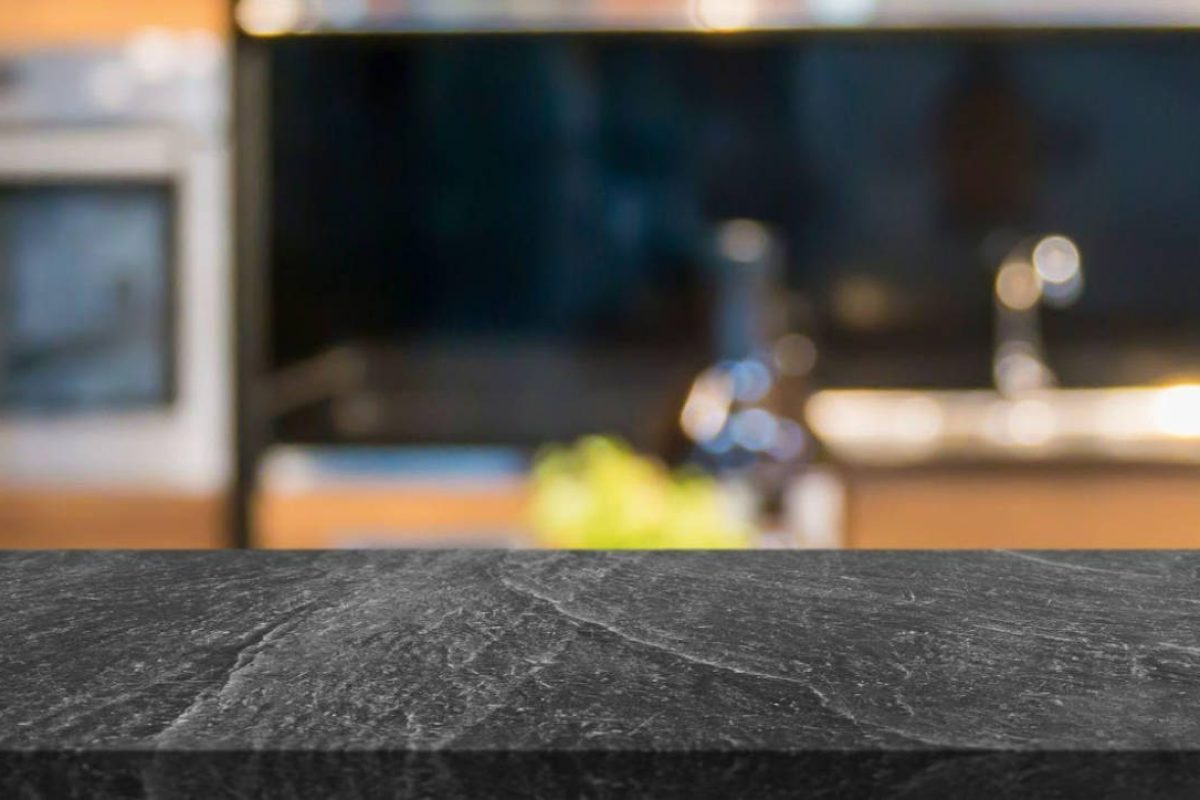
As summer settles in, the kitchen becomes a central spot for cold drinks, light meals, and quick gatherings. During these warmer months, comfort matters just as much as function. One material stands out for both: marble. 

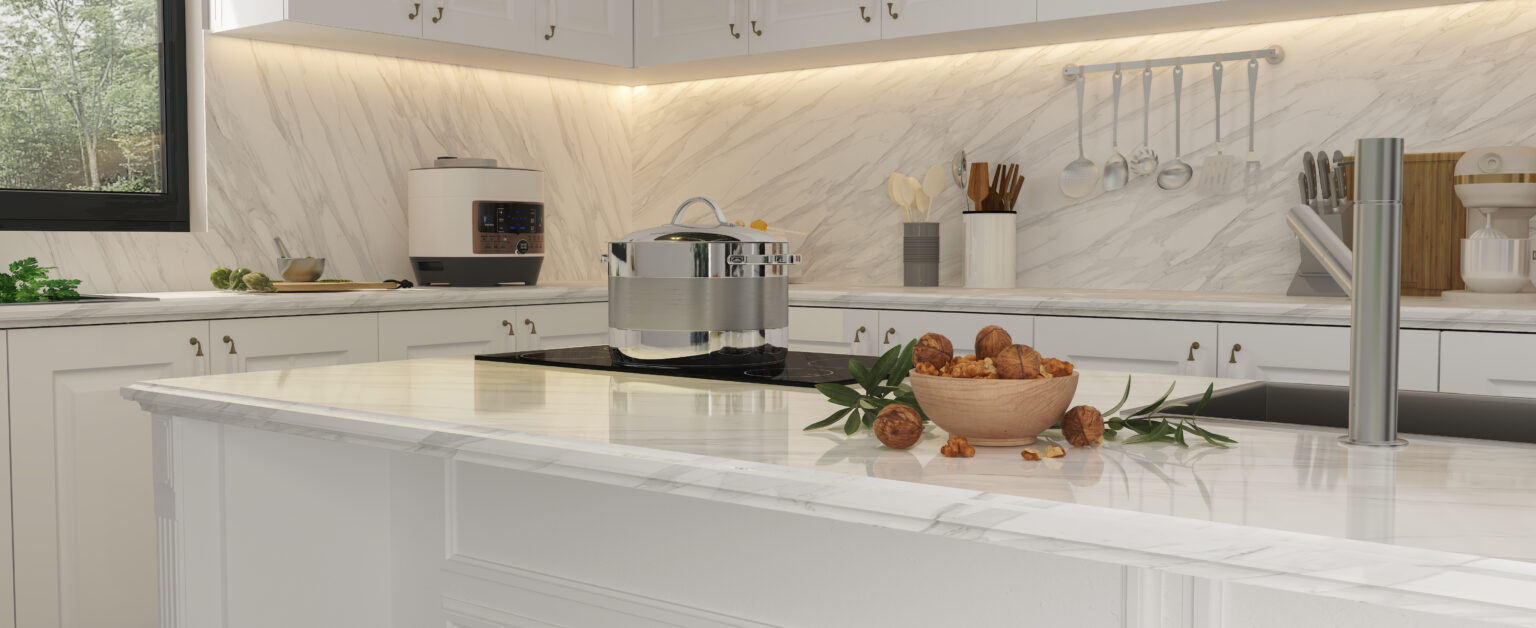
There’s nothing wrong with a cozy kitchen, and many homeowners (and renters) prefer the ease and convenience of having everything right at hand. But sometimes while a small kitchen is perfectly functional, aesthetically you might want more out of it. Mable countertops are a fantastic way to achieve this, due to the way the stone interacts with light. Here’s how to make a smaller kitchen feel expansive with marble countertops. 

The Science Behind Marble’s Appearance

If you’ve ever taken a look at a marble countertop and thought you saw it glowing, you did. Well, sort of. Marble countertops don’t glow like a lightbulb, but many people describe them as being radiant or having luminance. The reason for this is geology and optics– in other words, there’s a reason marble looks the way it does. 

Marble has a distinctive ability to scatter light thanks to its crystalline structure and naturally translucent qualities. Each slab of marble is made up of interlocking calcite crystals, which allow light to penetrate just beneath the surface before bouncing back out. This subtle refraction creates a soft, luminous glow known as “surface depth,” giving marble its signature sense of radiance. 

Marble’s fine veining and varied mineral inclusions enhance this effect by breaking up light in different directions, adding dimension and movement across the stone. In a small kitchen, this interplay of light makes the countertop appear more dynamic and airy, helping the entire space feel brighter and more open.

Pairing Marble With Strategic Lighting

Lighting plays an important role in how marble appears, and it’s one of the most effective ways to enhance its impact in a small space. Under-cabinet lights, pendant fixtures, or recessed ceiling lighting allow the stone’s crystalline surface to interact beautifully with both direct and ambient illumination. Even if natural light is limited, carefully placed artificial lighting can intensify marble’s reflective qualities, creating a brighter and more expansive atmosphere.

Using Color and Patterns To Your Advantage

When selecting marble for a smaller kitchen, color can have as much impact as the stone’s light-reflecting qualities. Pale shades such as classic white, soft cream, or gentle gray can create a sense of openness by bouncing light around the room. The effect is similar to painting walls in lighter colors; your eyes perceive the space as larger because the surfaces don’t create heavy visual stops. Darker marble can still work in compact kitchens, but it pairs best with ample lighting and lighter cabinetry to prevent the space from feeling closed in.

The vein pattern in your marble can also change the way a room looks. It can guide the eye and influence how large a surface feels. Long, flowing veins can make countertops seem longer, while fine, delicate patterns help maintain an uncluttered and airy appearance. Aligning the direction of the veining with the kitchen’s layout encourages visual flow, helping the room feel larger than it is.

When you pick a slab with consistent veining, it creates a smooth visual transition across different countertop sections. The backsplash is another way to change the look of the room, making it seem bigger than it actually is. When paired with matching backsplash material, the effect can extend vertically, adding even more perceived space.

Bringing It All Together

Marble countertops offer more than elegance. They can transform a compact kitchen into a space that feels open and inviting. By choosing the right color, enhancing it with thoughtful lighting, and making strategic use of veining, you can maximize marble’s natural ability to brighten and expand the room. At Alps Craftsman, we can help you select the perfect marble for your kitchen’s size and style. Contact us today for a free quote and discover how marble can make your small kitchen feel bigger, brighter, and more beautiful.

Categorized: Care and Maintenance
Tagged: Guide

Aug 16 2025

Quartz For Unique Kitchen Design: Putting Your Stamp on Your New Kitchen

Gone are the days of the cookie-cutter kitchen. Today’s homeowners want the most-used room in the house to be unique and feel like a reflection of their personality. One of the easiest ways to do that is by using quartz for your countertops. Quartz countertops have the advantages of natural stone, plus several that are unique to this engineered material. Whether you’re going for bold and modern or soft and inviting, quartz provides the colors and patterns to make it happen. 

Custom Color Palettes That Speak To You

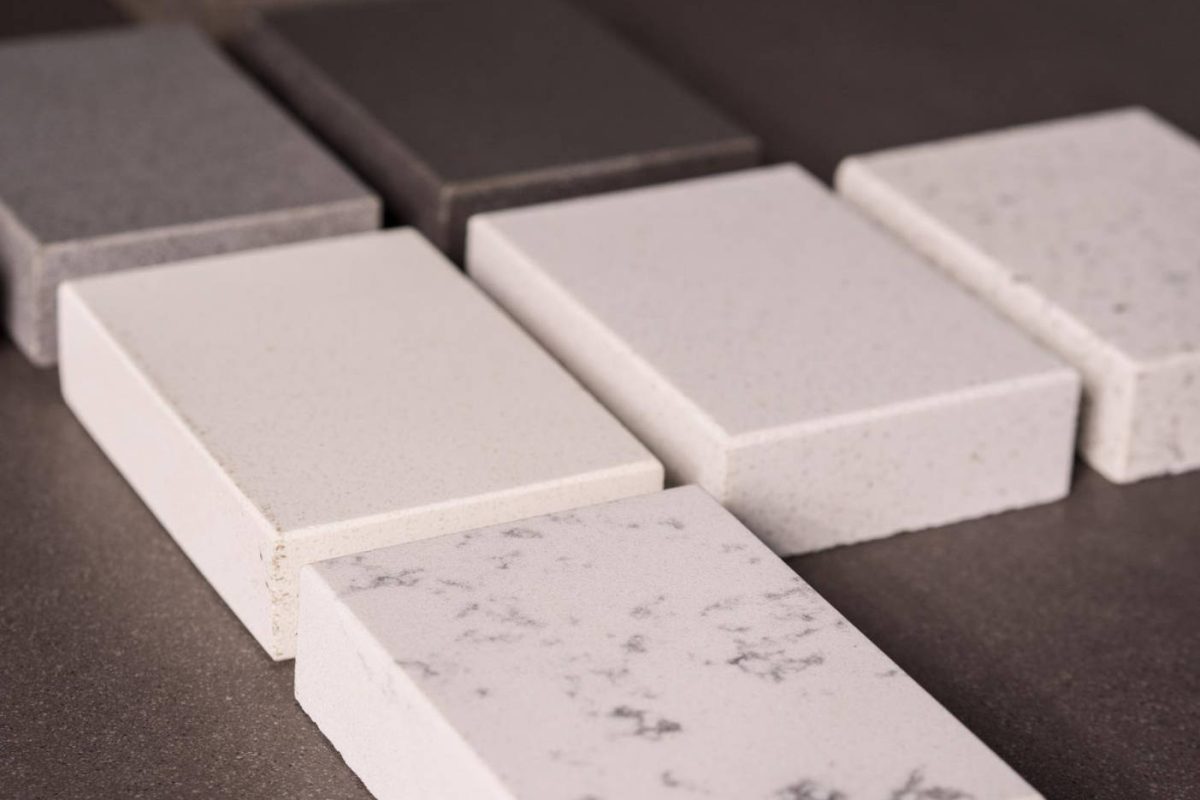
Quartz is an engineered material that is manufactured from naturally occurring quartz. Once powdered, resins, binders, and pigments are added to the stone to create a surface that’s tough and durable but also relatively lightweight and easy to clean. This manufacturing process makes it possible for quartz to appear in an array of colors, many of which are not found in nature. Whether you’re going for bold and modern or soft and inviting, quartz provides the colors and textures to make it happen. 

Additionally, quartz’s consistency makes unique designs easier to execute. You don’t have to worry about finding slabs that coordinate; you can just order more of the same pattern if you want additional counter space or a quartz backsplash. That consistency gives you more control over your design. 

And if you like the look of natural stone but prefer the ease of quartz, you can find it in patterns that mimic the natural veining and color patterns of natural stone. Marble-look quartz lets you bring in the soft, elegant look of marble with the durability and budget-friendliness of quartz; quartz that mimics granite weighs less than the natural stone, so it’s ideal for upper-floor use or for mounting as a waterfall island. 

But what if you don’t want the look of natural stone? Quartz comes in a rainbow of colors, ranging from cherry red to deep, moody indigo. Manufactures create quartz in shades like matte black, soft sage green, rich cocoa brown, and white with sparkling inclusions; if you can’t find the shade you want, talk to your fabricator for help sourcing just the right color. This versatility lets you coordinate your countertops with cabinetry, flooring, and wall treatments in ways that feel fresh and original.

Texture Adds Personality And Depth

Beyond color, texture plays a key role in making your kitchen stand out. Quartz surfaces are available in polished, honed, and matte finishes, giving you control over how light interacts with the surface. A polished finish creates a sleek, reflective look that feels contemporary and clean. Honed and matte finishes bring a softer appearance that works well in understated or organic-inspired designs. These subtle differences help transform a basic kitchen into something with depth and presence.

The edge profile makes a difference, too. An intricate ogee edge looks elegant and glamorous, while a chiseled edge feels organic and earthy. Mitered edges have an industrial modern chic, and a rounded bullnose edge has a classic, vintage vibe. Talk to your fabricator about the edge options they can create; you might be surprised by the variety available!

Bringing Design Details Together

Quartz countertops offer the best sense of cohesion when paired with the right design elements. For example, a waterfall edge can highlight a quartz slab’s veining or tone, drawing attention to the material itself. Because quartz is non-porous and uniform, it supports clean, uninterrupted lines that work well in both minimal and detailed designs. This flexibility allows you to experiment with layouts and configurations that reflect your individual style.

Another key element of a unique kitchen design is the cabinetry.  Whether you prefer light wood finishes or rich, painted tones, your choice of cabinets should work in tandem with your quartz surface to create a balanced and inviting space. Custom cabinetry is an excellent option for those who want a truly one-of-a-kind kitchen. When paired with quartz, custom cabinetry enhances both the appearance and functionality of your kitchen, offering a refined and personal touch. 

Make Your Kitchen Design Truly Yours

If you’re designing a kitchen that feels like your own, quartz can help bring that vision to life. With so many options in tone, texture, and pattern, quartz offers the flexibility and beauty to match your individual taste. Alps Craftsman provides premium quartz materials to help you create a kitchen that’s as functional as it is expressive. Ready to explore the quartz surfaces that will help you put your stamp on your space? Contact us today for a free quote!

Categorized: Project Spotlights
Tagged: Guide

Jul 11 2025

Why Summer Is the Best Time to Upgrade Your Bathroom Countertops

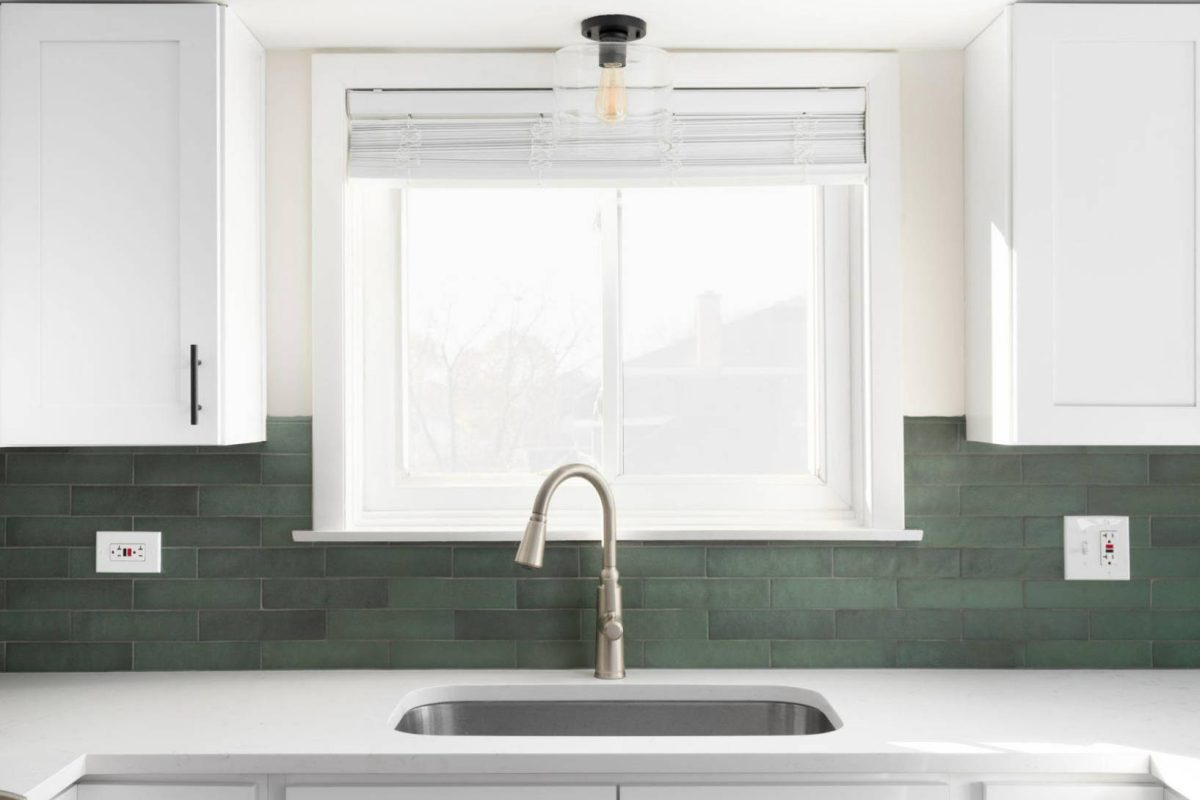
Summer often marks a shift in rhythm. With longer days, more natural light, and fewer weather-related obstacles, it becomes one of the most practical seasons for home upgrades. The bathroom benefits immensely from seasonal updates, especially when it comes to countertops. 

Choosing to tackle a bathroom renovation during summer can help you take advantage of ideal conditions and set the tone for a more functional and refreshed space. Not convinced? Here are some of the biggest reasons that summer is the right time of year to update the bathroom countertops. 

Better Timing, Fewer Disruptions

One of the main reasons summer works so well for renovations is that the season offers greater flexibility. Many families travel during the summer months, making it easier to schedule work without disrupting daily routines. In contrast, making updates during colder months often means working around tighter schedules and weather-related delays… and the holidays! 

Summer often feels like a natural pause in the year. The school year is out, vacations are underway, and schedules are a bit more relaxed. That pause creates an opportunity to finally take on the projects that get pushed aside during busier times. 

Upgrading your bathroom countertops may seem like a small change, but it can significantly improve your daily routine and enhance the overall feel of the space. Summer gives you the breathing room to plan thoughtfully and make lasting updates.

Easier Ventilation and Drying Conditions

When countertops are being replaced, materials like adhesives and sealants may be used depending on the surface. Summer provides optimal conditions for ventilation, which not only speeds up drying but also reduces humidity-related complications. 

Open windows and consistent airflow help the materials cure properly, which supports long-term durability. In cooler seasons, the drying process can take longer and potentially compromise the finish or performance of the countertop.

Aligning with Natural Light

Lighting plays an important role in how your bathroom feels and functions. In summer, longer daylight hours give you more time to assess the true appearance of the stone you’ve selected. 

Natural light reveals subtle shifts in tone and movement, making it easier to match countertops with wall colors, tile, and fixtures. Making decisions under full-spectrum light helps ensure your final result looks as good in the evening as it does at midday.

Warm Weather Makes Installation Smoother

Stone countertop installation requires precise measurements and secure placement. While professional installers are equipped to work year-round, transporting and handling heavy materials becomes easier and more predictable in warmer weather. 

Summer reduces the chance of ice, snow, or cold temperatures interfering with delivery schedules. These conditions contribute to a more efficient and dependable installation process, helping your project stay on track.

Updating your countertops in the summer helps you get ahead of the rush that typically comes later in the year. As fall approaches, more homeowners begin to focus on indoor improvements in preparation for holiday guests and cooler weather. 

By completing your bathroom upgrades during the summer, you’re well-positioned to enjoy the space during the seasons when you spend more time indoors. You also avoid potential backlogs with suppliers and installers during their busiest months.  

Talk to your fabricator about the best timing for a renovation if you aren’t sure, though. They’ll be able to tell you more about availability. 

Visual Refresh for a Personal Space

Bathrooms are among the most personal rooms in the home. A countertop upgrade can quickly improve both function and appearance. Whether you’re replacing a worn-out surface, modernizing the look, or improving durability, the transformation can be felt every single day. 

Summer gives you the energy and conditions to make choices that reflect your needs and style, with results that last well beyond the season.  

Now Is the Right Time

There’s something satisfying about walking into a bathroom that feels fresh, clean, and newly finished. Summer is the ideal time to make that change. If you’re ready to upgrade your bathroom countertops with timeless stone that enhances your home’s value and comfort, Alps Craftsman is here for you.

Reach out today for a free quote and discover how easy it is to start your next project while the season’s on your side.

Categorized: Countertops, Kitchens
Tagged: Guide

Jun 30 2025

How to Choose the Right Granite Countertop Thickness for Your Home

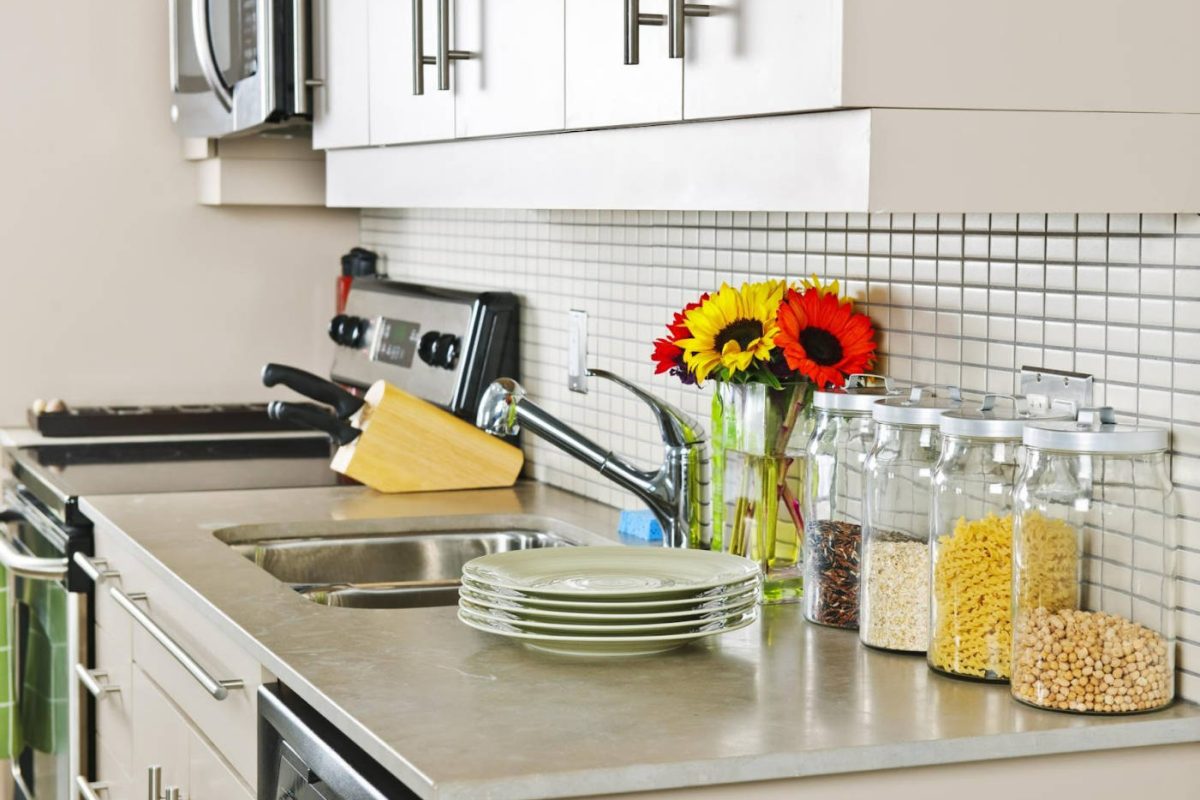
Granite countertops are one of the most durable and visually striking options for kitchens and bathrooms. When homeowners begin selecting granite, color and pattern usually take center stage. But one of the most important design and performance choices comes down to thickness. 

Granite slabs typically come in two standard thicknesses: 2 centimeters (about ¾ inch) and 3 centimeters (about 1¼ inches). Each has unique advantages, and choosing the right one can influence how your space looks, functions, and feels.

Why Thickness Matters

Thickness plays a role in more than just durability. It can affect the overall weight, edge profile options, structural requirements, and the feel of your design. A thicker granite slab tends to read as more substantial and traditional, often used in larger kitchens where bold materials anchor the room. Thinner granite, on the other hand, offers a lighter appearance that’s sometimes favored in more modern or compact spaces.

Both options are structurally strong, but thicker slabs tend to be more forgiving when it comes to support. Thinner granite may require additional backing or bracing depending on the layout and use, especially for overhangs on islands or breakfast bars.

heat resistant countertops

The Look of 3-Centimeter Granite

The 3-centimeter slab is the most common choice for residential countertops. Its weight and depth give a sense of permanence and richness, and it doesn’t usually require additional backing for strength. This makes installation simpler in some cases and reduces the need for extra materials.

Visually, thicker granite offers more flexibility for edge treatments. Popular styles like ogee, bullnose, and beveled edges are easier to carve and shape with a 3-centimeter slab, giving homeowners more room to customize. This thickness also looks more integrated in traditional or transitional homes where furniture-style cabinetry and classic design elements are more prominent.

When 2-Centimeter Granite Works Best

The 2-centimeter option is thinner and lighter, which can be an advantage in certain design scenarios. It’s often used in vertical applications like backsplashes or fireplace surrounds, but it can still be used for countertops with proper support. In today’s European kitchens, this thinner slab is more common and contributes to a clean, modern look.

If you’re going for a minimalist kitchen with flat-front cabinetry and subtle details, a 2-centimeter slab can blend into the space without overpowering it. Just keep in mind that installation may require a plywood subtop and edge build-up to achieve a thicker look or meet stability requirements. This is one of the many reasons that it’s important to work with an experienced fabricator, since they can advise on when and where reinforcement is necessary.

Edge Profiles and Visual Weight

porous vs. non porous countertops

Thickness influences how your countertop edges are shaped and how they appear from across the room. A thinner slab with a square edge offers a modern, streamlined appearance, especially when paired with slab cabinets and hidden hardware. A thicker slab allows for more decorative shaping, which can be a statement feature in more detailed kitchen designs.

Some homeowners choose a mitered edge to create the illusion of a thicker slab. This involves cutting two pieces of granite at a 45-degree angle and joining them to form a seamless-looking thick edge. It’s a clever solution when you want a bold look without the full weight of a 3-centimeter slab.

Weight and Cabinet Considerations

One of the often-overlooked aspects of granite thickness is how it affects the cabinetry beneath it. While most kitchen cabinets can easily support either thickness, older cabinetry or furniture-style pieces may require reinforcement when supporting a heavier 3-centimeter slab. 

For long spans or floating elements like breakfast bars and islands, thicker granite is typically easier to work with structurally. Thinner slabs may flex if not properly supported, so additional planning goes into those installations.

Bringing Style and Structure Together

Granite countertops bring beauty and performance to any space, but the slab thickness you choose can have long-term effects on your project. It influences the look of your edges, the feel of your layout, and the longevity of your investment. Whether you’re drawn to the solid presence of a thicker slab or the refined profile of a thinner one, working with experienced professionals ensures the right fit for your space.

At Alps Craftsman, we take the time to match every home with the right materials and specifications. If you’re ready to move forward with granite countertops, we’re here to help. Contact us for a free estimate today!

Categorized: Countertops, Kitchens
Tagged: Guide

Jun 22 2025

How to Pair Quartzite Countertops with Bold and Vibrant Kitchen Cabinets

Designing a kitchen that feels alive and energetic begins with bold choices. One of the most powerful combinations in today’s modern kitchen design is the pairing of quartzite countertops with bright or saturated cabinet colors. 

Quartzite, with its unique patterns and durable surface, provides the perfect balance for a colorful palette, helping ground the room while enhancing its visual impact.

Understanding the Personality of Quartzite

Quartzite is a natural stone formed from sandstone and transformed by heat and pressure deep within the earth. This process gives it the strength of granite and a beauty that often rivals marble. 

What makes quartzite particularly interesting for bold kitchen designs is its range of subtle color variations and dramatic veining. These visual features make it flexible enough to work with daring color choices without becoming overwhelming.

While some quartzite slabs are neutral and soft-toned, others contain hints of green, blue, gold, or gray. These undertones can influence the cabinetry colors that will complement the stone. Recognizing those hues is the first step toward a well-balanced design, and your fabricator can show you examples of how they’ll look in your home and in the showroom.

Let the Stone Lead

A helpful way to begin is by selecting your quartzite slab first. Because no two pieces are identical, the unique coloring and movement in the stone should guide your cabinet choices. Designers often recommend pulling a secondary or tertiary color from the stone itself and using that as inspiration for the cabinets. 

This technique helps tie the space together without feeling too matched or calculated. For example, a quartzite countertop with bold gray veining pairs well with deep navy or forest green cabinets. If your slab contains hints of rust or warm taupe, consider cabinet colors like terracotta, mustard, or even a deep wine tone.

Balancing Vibrant Cabinets with Subtle Stone

If you’re considering a high-impact cabinet color like cobalt, emerald, or tangerine, opt for a quartzite slab that offers a neutral foundation. Soft white or pale gray quartzite can help keep the space grounded while allowing the cabinetry to take center stage. 

This approach works especially well in smaller kitchens where too many bold elements could overwhelm the space. Keep in mind that quartzite’s natural movement that comes from the veining already creates visual interest. Pairing it with a highly saturated color on the cabinets can result in a dynamic kitchen that still feels polished and composed.

When to Use High-Contrast Pairings

One way to add drama to your kitchen is through contrast. A dark quartzite countertop against vibrant cabinets creates instant visual tension that draws the eye. For instance, black or charcoal quartzite countertops can look striking when set against bright yellow or teal cabinetry. The contrast between the cool stone and the warm cabinet color creates energy without chaos.

But sometimes contrast can look a bit harsh. To keep this type of contrast from feeling overwhelming, consider finishing touches like brushed or matte metallic hardware or natural wood accents to act as visual bridges between the stone and the cabinets.

Highlighting Texture and Finish

The finish of your quartzite countertop can also affect how well it pairs with bold cabinetry. A polished finish reflects light and emphasizes the stone’s intricate details, which can add extra depth when paired with glossy or lacquered cabinets. A honed or leathered finish, on the other hand, creates a softer, matte look that works beautifully with more muted or earth-toned colors.

Texture can become a design element in itself. A leathered quartzite countertop might contrast with sleek cabinets, giving your kitchen a layered and thoughtful look without needing extra ornamentation. Talk to your fabricator about the types of finishes they can achieve!

Creating a Standout Space

Pairing quartzite countertops with bold cabinets requires both confidence and careful planning, but when done well, the result is stunning. The right slab of quartzite can elevate a vibrant cabinet color, grounding the space while letting personality shine through. Whether you’re going for a high-contrast modern vibe or a softer, nature-inspired palette, this material provides the versatility and beauty you need to pull it all together.

If you’re ready to bring color and stone together in your dream kitchen, Alps Craftsman is here to help. Get in touch with us today for a personalized consultation and a free quote for your countertop project!

Categorized: Countertops, Kitchens
Tagged: Design, Guide

  • « Go to Previous Page
  • Go to page 1
  • Interim pages omitted …
  • Go to page 4
  • Go to page 5
  • Go to page 6
  • Go to page 7
  • Go to page 8
  • Go to page 9
  • Go to Next Page »
Alps Craftsman

For over 35 years, our family-owned business has delivered exceptional service and craftsmanship. We treat every client like family, offering top-quality countertops, cabinetry, and fixtures. From small projects to large remodels, we ensure integrity, efficiency, and superior results.

Facebook-f Instagram
Company
Menu
  • About Us
  • Gallery
  • Our Process
  • Blog
  • FAQ
  • Careers
  • Contact Us
Services
Menu
  • Countertops
  • Granite
  • Marble
  • Quartz
  • Quartzite
  • Laminate
  • Recycled Material
  • Acrylic Solid Surface
  • Fixtures
  • Cabinetry
  • Promotions
Our Location
  • 500 Memorial Drive, Suite 1 Somerset, NJ 08873
  • (800) 817-8763
  • info@alpscraftsman.com
  • License: HIC#13VH05142400
Get a Free Quote
Proudly serving NJ, NY, PA customers since 1991
Copyright © 2026 Alps Craftsman HIC#13VH05142400. All rights reserved. | Privacy Policy | Terms & Conditions | Accessibility Statement | Accessibility Toolbar | Sitemap
Manage Consent
To provide the best experiences, we use technologies like cookies to store and/or access device information. Consenting to these technologies will allow us to process data such as browsing behavior or unique IDs on this site. Not consenting or withdrawing consent, may adversely affect certain features and functions.
Functional Always active
The technical storage or access is strictly necessary for the legitimate purpose of enabling the use of a specific service explicitly requested by the subscriber or user, or for the sole purpose of carrying out the transmission of a communication over an electronic communications network.
Preferences
The technical storage or access is necessary for the legitimate purpose of storing preferences that are not requested by the subscriber or user.
Statistics
The technical storage or access that is used exclusively for statistical purposes. The technical storage or access that is used exclusively for anonymous statistical purposes. Without a subpoena, voluntary compliance on the part of your Internet Service Provider, or additional records from a third party, information stored or retrieved for this purpose alone cannot usually be used to identify you.
Marketing
The technical storage or access is required to create user profiles to send advertising, or to track the user on a website or across several websites for similar marketing purposes.
  • Manage options
  • Manage services
  • Manage {vendor_count} vendors
  • Read more about these purposes
View preferences
  • {title}
  • {title}
  • {title}
Get Offer

"*" indicates required fields

This field is for validation purposes and should be left unchanged.
Consent*