• Skip to main content
(800) 817-8763
Get a Free Quote
Menu
  • Products
    • Countertops
      • Granite Countertops
      • Quartz Countertops
      • Marble Countertops
      • Quartzite Countertops
      • Laminate Countertops
      • Acrylic Solid Surface
      • Recycled Material
    • Fixtures
    • Cabinetry
    • Promotions
  • Our Process
  • Services
    • Customer Service
    • Care and Maintenance
  • Resources
    • Project Features
    • Knowledge Center
    • Gallery
  • Company
    • About Us
    • Careers
  • Contact Us
Menu
  • Products
    • Countertops
      • Granite Countertops
      • Quartz Countertops
      • Marble Countertops
      • Quartzite Countertops
      • Laminate Countertops
      • Acrylic Solid Surface
      • Recycled Material
    • Fixtures
    • Cabinetry
    • Promotions
  • Our Process
  • Services
    • Customer Service
    • Care and Maintenance
  • Resources
    • Project Features
    • Knowledge Center
    • Gallery
  • Company
    • About Us
    • Careers
  • Contact Us

Kitchens

Jun 30 2025

How to Choose the Right Granite Countertop Thickness for Your Home

Granite countertops are one of the most durable and visually striking options for kitchens and bathrooms. When homeowners begin selecting granite, color and pattern usually take center stage. But one of the most important design and performance choices comes down to thickness. 

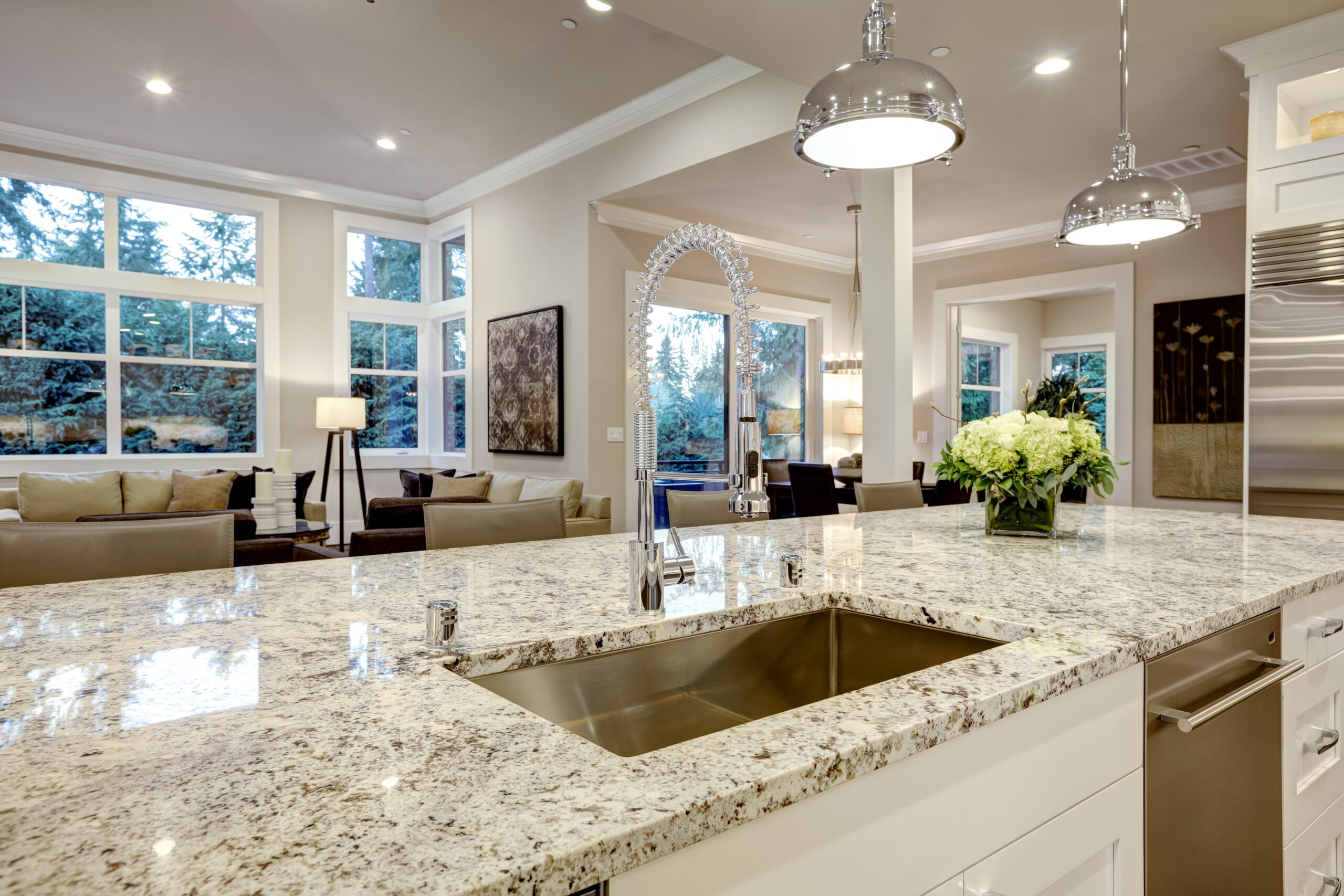
Granite slabs typically come in two standard thicknesses: 2 centimeters (about ¾ inch) and 3 centimeters (about 1¼ inches). Each has unique advantages, and choosing the right one can influence how your space looks, functions, and feels.

Why Thickness Matters

Thickness plays a role in more than just durability. It can affect the overall weight, edge profile options, structural requirements, and the feel of your design. A thicker granite slab tends to read as more substantial and traditional, often used in larger kitchens where bold materials anchor the room. Thinner granite, on the other hand, offers a lighter appearance that’s sometimes favored in more modern or compact spaces.

Both options are structurally strong, but thicker slabs tend to be more forgiving when it comes to support. Thinner granite may require additional backing or bracing depending on the layout and use, especially for overhangs on islands or breakfast bars.
heat resistant countertops

The Look of 3-Centimeter Granite

The 3-centimeter slab is the most common choice for residential countertops. Its weight and depth give a sense of permanence and richness, and it doesn’t usually require additional backing for strength. This makes installation simpler in some cases and reduces the need for extra materials.

Visually, thicker granite offers more flexibility for edge treatments. Popular styles like ogee, bullnose, and beveled edges are easier to carve and shape with a 3-centimeter slab, giving homeowners more room to customize. This thickness also looks more integrated in traditional or transitional homes where furniture-style cabinetry and classic design elements are more prominent.

When 2-Centimeter Granite Works Best

The 2-centimeter option is thinner and lighter, which can be an advantage in certain design scenarios. It’s often used in vertical applications like backsplashes or fireplace surrounds, but it can still be used for countertops with proper support. In today’s European kitchens, this thinner slab is more common and contributes to a clean, modern look.

If you’re going for a minimalist kitchen with flat-front cabinetry and subtle details, a 2-centimeter slab can blend into the space without overpowering it. Just keep in mind that installation may require a plywood subtop and edge build-up to achieve a thicker look or meet stability requirements. This is one of the many reasons that it’s important to work with an experienced fabricator, since they can advise on when and where reinforcement is necessary.

Edge Profiles and Visual Weight
porous vs. non porous countertops

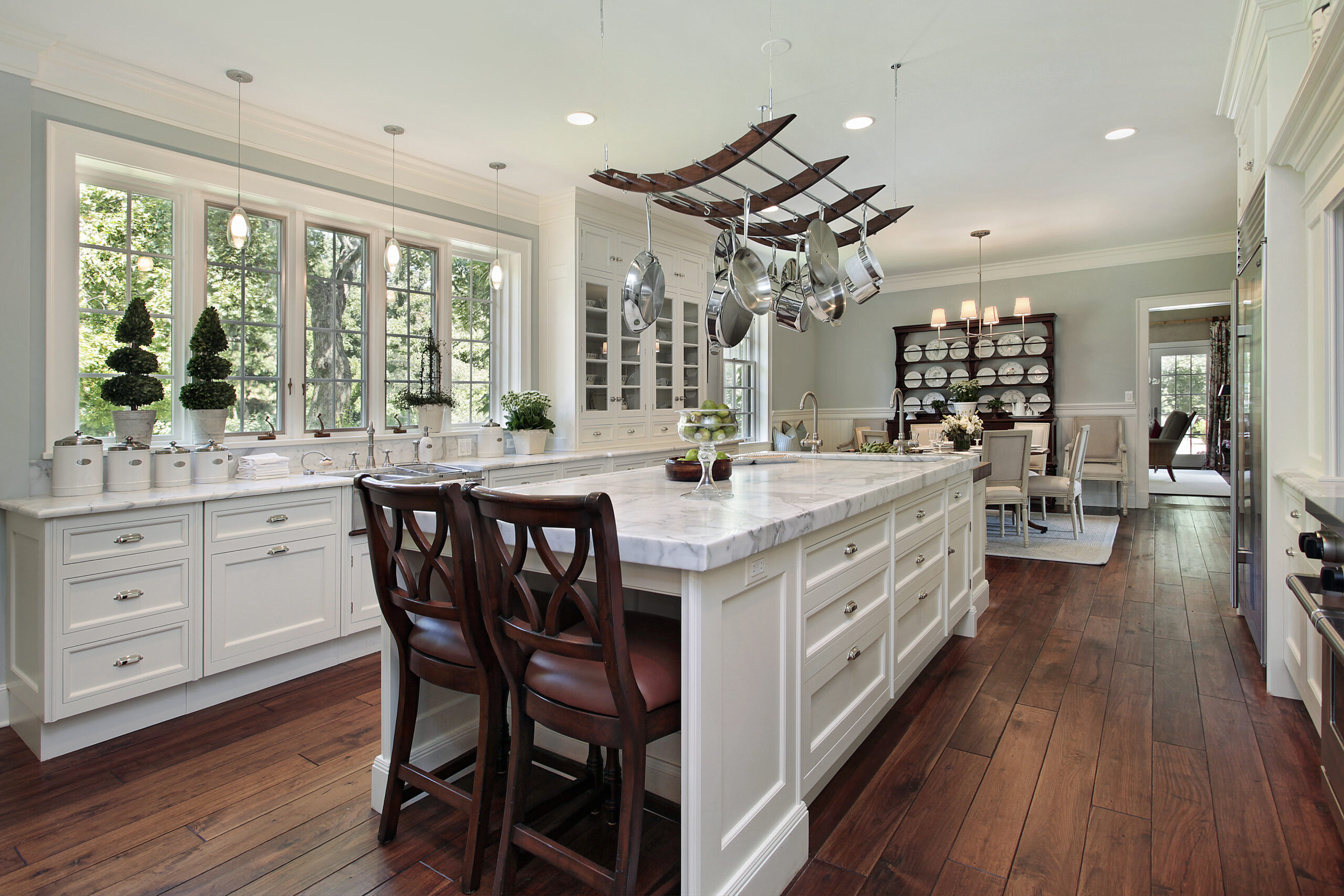
Thickness influences how your countertop edges are shaped and how they appear from across the room. A thinner slab with a square edge offers a modern, streamlined appearance, especially when paired with slab cabinets and hidden hardware. A thicker slab allows for more decorative shaping, which can be a statement feature in more detailed kitchen designs.

Some homeowners choose a mitered edge to create the illusion of a thicker slab. This involves cutting two pieces of granite at a 45-degree angle and joining them to form a seamless-looking thick edge. It’s a clever solution when you want a bold look without the full weight of a 3-centimeter slab.

Weight and Cabinet Considerations

One of the often-overlooked aspects of granite thickness is how it affects the cabinetry beneath it. While most kitchen cabinets can easily support either thickness, older cabinetry or furniture-style pieces may require reinforcement when supporting a heavier 3-centimeter slab. 

For long spans or floating elements like breakfast bars and islands, thicker granite is typically easier to work with structurally. Thinner slabs may flex if not properly supported, so additional planning goes into those installations.

Bringing Style and Structure Together

Granite countertops bring beauty and performance to any space, but the slab thickness you choose can have long-term effects on your project. It influences the look of your edges, the feel of your layout, and the longevity of your investment. Whether you’re drawn to the solid presence of a thicker slab or the refined profile of a thinner one, working with experienced professionals ensures the right fit for your space.

At Alps Craftsman, we take the time to match every home with the right materials and specifications. If you’re ready to move forward with granite countertops, we’re here to help. Contact us for a free estimate today!
Categorized: Countertops, Kitchens
Tagged: Guide

Jun 22 2025

How to Pair Quartzite Countertops with Bold and Vibrant Kitchen Cabinets

Designing a kitchen that feels alive and energetic begins with bold choices. One of the most powerful combinations in today’s modern kitchen design is the pairing of quartzite countertops with bright or saturated cabinet colors. 

Quartzite, with its unique patterns and durable surface, provides the perfect balance for a colorful palette, helping ground the room while enhancing its visual impact.

Understanding the Personality of Quartzite

Quartzite is a natural stone formed from sandstone and transformed by heat and pressure deep within the earth. This process gives it the strength of granite and a beauty that often rivals marble. 

What makes quartzite particularly interesting for bold kitchen designs is its range of subtle color variations and dramatic veining. These visual features make it flexible enough to work with daring color choices without becoming overwhelming.

While some quartzite slabs are neutral and soft-toned, others contain hints of green, blue, gold, or gray. These undertones can influence the cabinetry colors that will complement the stone. Recognizing those hues is the first step toward a well-balanced design, and your fabricator can show you examples of how they’ll look in your home and in the showroom.

Let the Stone Lead

A helpful way to begin is by selecting your quartzite slab first. Because no two pieces are identical, the unique coloring and movement in the stone should guide your cabinet choices. Designers often recommend pulling a secondary or tertiary color from the stone itself and using that as inspiration for the cabinets. 

This technique helps tie the space together without feeling too matched or calculated. For example, a quartzite countertop with bold gray veining pairs well with deep navy or forest green cabinets. If your slab contains hints of rust or warm taupe, consider cabinet colors like terracotta, mustard, or even a deep wine tone.

Balancing Vibrant Cabinets with Subtle Stone

If you’re considering a high-impact cabinet color like cobalt, emerald, or tangerine, opt for a quartzite slab that offers a neutral foundation. Soft white or pale gray quartzite can help keep the space grounded while allowing the cabinetry to take center stage. 

This approach works especially well in smaller kitchens where too many bold elements could overwhelm the space. Keep in mind that quartzite’s natural movement that comes from the veining already creates visual interest. Pairing it with a highly saturated color on the cabinets can result in a dynamic kitchen that still feels polished and composed.

When to Use High-Contrast Pairings

One way to add drama to your kitchen is through contrast. A dark quartzite countertop against vibrant cabinets creates instant visual tension that draws the eye. For instance, black or charcoal quartzite countertops can look striking when set against bright yellow or teal cabinetry. The contrast between the cool stone and the warm cabinet color creates energy without chaos.

But sometimes contrast can look a bit harsh. To keep this type of contrast from feeling overwhelming, consider finishing touches like brushed or matte metallic hardware or natural wood accents to act as visual bridges between the stone and the cabinets.

Highlighting Texture and Finish

The finish of your quartzite countertop can also affect how well it pairs with bold cabinetry. A polished finish reflects light and emphasizes the stone’s intricate details, which can add extra depth when paired with glossy or lacquered cabinets. A honed or leathered finish, on the other hand, creates a softer, matte look that works beautifully with more muted or earth-toned colors.

Texture can become a design element in itself. A leathered quartzite countertop might contrast with sleek cabinets, giving your kitchen a layered and thoughtful look without needing extra ornamentation. Talk to your fabricator about the types of finishes they can achieve!

Creating a Standout Space

Pairing quartzite countertops with bold cabinets requires both confidence and careful planning, but when done well, the result is stunning. The right slab of quartzite can elevate a vibrant cabinet color, grounding the space while letting personality shine through. Whether you’re going for a high-contrast modern vibe or a softer, nature-inspired palette, this material provides the versatility and beauty you need to pull it all together.

If you’re ready to bring color and stone together in your dream kitchen, Alps Craftsman is here to help. Get in touch with us today for a personalized consultation and a free quote for your countertop project!

Categorized: Countertops, Kitchens
Tagged: Design, Guide

Jun 14 2025

Countertops and Modern Design: Embracing Minimalism and Function

Modern design is often defined by clean lines, thoughtful restraint, and a strong commitment to practicality. In kitchens and bathrooms, these principles show up most clearly in the materials we choose, and countertops play a starring role. For homeowners pursuing a minimalist, functional space, stone countertops offer both beauty and purpose without excess.

The Role of Countertops in Minimalist Design

In minimalist spaces, every element has to work harder to carry the design, since there are fewer decorative details to fall back on. Stone countertops provide just the right amount of visual interest without overpowering the room. Their natural variation, subtle movement, and enduring strength allow them to act as both a functional surface and a design feature.

The goal in minimalist design isn’t emptiness; it’s intention. Choosing the right type of countertop sets the tone for the rest of the space. A polished slab of quartz with soft veining can create quiet elegance, while a granite slab with a honed finish that creates more texture offers a grounded, tactile quality.

Color and Tone Matter

Neutral tones dominate modern interiors for a reason. They allow light to bounce, they expand visual space, and they encourage calm. Pale stone, such as white marble, cream quartzite, or light gray granite, works especially well in this context. These colors act as a quiet backdrop that enhances other features in the space without drawing too much attention.

That doesn’t mean dark stone has no place in a minimalist kitchen. Deep charcoal or matte black countertops can create contrast and add weight to a room, especially when paired with lighter cabinetry or open shelving. What matters is consistency in tone and restraint in texture.

Keeping the Lines Clean

One of the hallmarks of modern design is the uninterrupted flow of surfaces. In countertop selection, this means paying attention to edge profiles, slab size, and how the countertop transitions into backsplashes or islands. Many modern spaces use a straight or eased edge profile to maintain a simple silhouette.

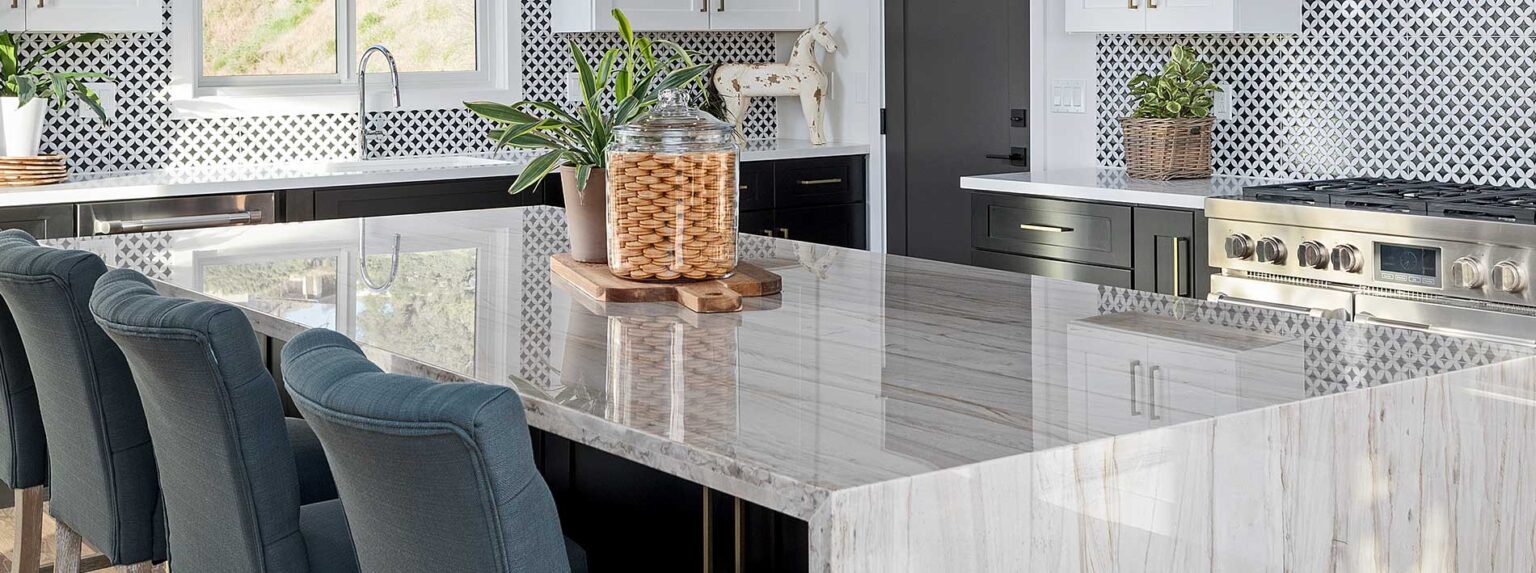
Full-height backsplashes made from the same stone as the countertop are a popular choice for modern kitchens. This approach eliminates grout lines, reduces visual clutter, and gives the space a cohesive feel. Waterfall islands, where the stone continues down the sides, can add drama while staying within the minimalist framework.

Form Meets Function

Minimalist design doesn’t just look good; it has to work well, and that’s where stone can really shine as a material. Stone countertops are prized for their durability, stain resistance, and ability to handle heat. 

When you choose a material that performs as beautifully as it looks, you reduce the need for unnecessary accessories or maintenance tricks. The best minimalist kitchens are those where everything has its place. A durable countertop surface means fewer distractions from upkeep. You can focus on what the kitchen is for: cooking, gathering, and enjoying.

Maximizing Visual Space

Many homeowners choose minimalist design to make smaller kitchens or bathrooms feel larger and more open. Stone countertops can contribute to that goal by reflecting light and extending the line of sight. A light-colored stone with a polished finish helps open up the room, making it feel expansive even when square footage is limited.

Sustainability and Longevity

Modern design often intersects with sustainability, favoring materials that last and don’t need constant replacement. Stone is one of the most enduring countertop materials available. Its longevity means less waste over time and fewer replacements down the line. Choosing stone is a forward-thinking decision, one that balances beauty with long-term value. And because modern design avoids trend-chasing, a stone countertop in a minimalist kitchen doesn’t feel dated after a few years. It holds up both functionally and stylistically!

The Right Fit for a Modern Life

Today’s homeowners want spaces that support how they live. That means materials need to do more than just look good. Stone countertops offer the durability, simplicity, and timeless character that modern design thrives on. 

Whether you’re renovating a compact apartment kitchen or building a spacious open-concept home, the right countertop ties the space together while keeping things simple and functional. 

If your next project is guided by a modern vision, Alps Craftsman is here to help you find the right stone surface to bring it to life. Reach out today for a free quote; we’d love to be part of your process.

Categorized: Countertops, Kitchens
Tagged: Design

Jun 27 2024

Kitchen and Bath Design News 2024 – What Alps Craftsman is Seeing in the Tri-State Area

A recent edition of Kitchen & Bath Design News reveals how countertops are adapting to modern homeowners’ needs, showcasing trends like larger spaces, increased use of natural stone, and customers embracing textured countertops. At Alps Craftsman, serving New Jersey, New York, and Pennsylvania, we’re excited to share insights from our experiences in these vibrant markets. This piece will explore how these trends are uniquely manifesting in the tri-state area, offering a local perspective that broadens the understanding of national data.

Countertop Space Expansion

Q: Recent data from the article indicates that 66.2% of kitchens now have larger countertop spaces than in past years. How do you think this trend impacts kitchen design and functionality?

A: This trend caters to the evolving role of the kitchen as not just a space for cooking, but as a versatile hub for dining, socializing, and even working. At Alps Craftsman, we emphasize the importance of a large island which, as discussed in our 2024 Design Trends blog, serves multiple purposes beyond food preparation. It becomes a central gathering spot for meals, social interactions, and various everyday activities.

We agree with the trend highlighted in recent articles that suggests a shift towards maximizing countertop areas at the expense of traditional storage solutions like larger pantries. This reflects a broader design philosophy where the aesthetic and functional appeal of countertops is becoming a focal point, overshadowing the traditional emphasis on cabinetry. The quality and design of countertops are now prime considerations for homeowners, influencing their choice of materials and the overall spatial arrangement within the kitchen.

Additionally, the design modifications accommodate other innovative features like integrated bars or coffee stations, enhancing the kitchen’s functionality and aesthetic appeal. This evolution in kitchen design not only meets the modern homeowner’s diverse needs but also elevates the kitchen’s role within the home.

Multiple Countertop Colors in Kitchens

Q: With the article noting that 54.5% of designers are incorporating two different countertops into kitchen designs, how is Alps Craftsman responding to this trend in the NJ, NY, and PA markets? Are there specific combinations of materials or designs that are particularly popular among your clients?

A: At Alps Craftsman, we are fully embracing the trend observed nationally among our clients in the NJ, NY, and PA markets, where the mix of functionality and aesthetic appeal is highly valued. Many of our kitchen designs feature a combination of materials that cater to both practical needs and design preferences. For instance, we often use a more muted material for the perimeter countertops, such as engineered quartz, which offers a subtle elegance and consistency, while opting for a dramatic, statement-making material like granite or quartzite for the island. This not only enhances the kitchen’s visual appeal but also provides the heat resistance necessary for cooking and hosting duties.

In terms of specific combinations, the mix of quartz and natural stone is prevalent. This pairing allows for both a design contrast and a functional balance—quartz for uniformity and ease, and natural stone for unique patterns and durability. Occasionally, we also see combinations of two different types of quartz, one subtle and one more patterned, to achieve a distinctive look while maintaining material consistency. Overall, the choice of combining two different countertop materials in a kitchen is driven by both the desire for a unique aesthetic and the need for practical functionality in everyday use.

Material Most in Demand

Q: Engineered quartz is noted as the countertop material growing most in demand, with 30.1% favoring it. Are you seeing that in the Tri-State area or is natural stone more popular among your clients?

A: Engineered quartz has indeed surged in popularity, as highlighted by the 30.1% favorability in this study. This popularity can be attributed to several factors. Firstly, engineered quartz is known for its durability and low maintenance requirements, which makes it an appealing choice for busy households. Additionally, the material’s uniformity allows for a consistent aesthetic that can fit seamlessly into a variety of design styles, which is particularly valued in modern home decor. However, it’s important to note that while engineered quartz is growing in demand, when you combine the growth of natural stone materials such as granite, marble, and quartzite, they collectively exceed the growth of engineered quartz, with a 36.6% increase. This suggests that while engineered quartz is popular, there is a significant and growing appreciation for natural stone. 

In our projects, we’ve observed a tremendous growth in natural stone, especially in quartzite. Our suppliers are increasing their inventory of these materials, which are not only becoming more affordable but also available in unique and striking patterns that cater to current trends towards darker and earth-toned colors. Many of our clients still prefer natural stone for its unique patterns and color variations that engineered quartz can’t fully replicate. While engineered quartz is popular for its practical benefits and consistent aesthetics, natural stone is experiencing a resurgence in demand, particularly for clients seeking unique and high-quality materials for their design projects.

Most Important Countertop Properties

Q: The article highlights that 28% of homeowners prioritize ease of maintenance, 23.4% value durability, and 18% focus on color selection when choosing countertops. Based on your experience, do these preferences align with what you’re seeing locally? Are there other properties that local homeowners consider more important when selecting their countertops?

A: In our experience with clients across NJ, NY, and PA, the priorities highlighted in the article—ease of maintenance, durability, and color selection—certainly resonate with what we see on the ground, but there’s more to the story. Our discussions with clients often reveal that heat resistance, sustainability, and material diversity are other critical factors when it comes to kitchen countertops. 

The preference is shifting towards natural stones, such as granite and quartzite, which not only offer unique designs but are also capable of withstanding the wear and tear of a busy kitchen. Homeowners want to ensure that the materials can withstand the rigors of cooking without damage. Color selection is also a part of a broader discussion about aesthetic appeal that includes patterns and textures. Our clients are increasingly interested in material diversity, seeking out unique textures and finishes that complement their home’s design.

Additionally, while sustainability was not among the top priorities in the article, we’ve observed a growing interest among our urban clients in eco-friendly materials like Paper Stone and Ice Stone. Although these options are often more expensive, they reflect a rising consciousness about environmental impact among homeowners. This shows that homeowners’ choices are influenced by a combination of practicality, aesthetics, and increasingly, environmental considerations.

Pattern/Finish Preferences

Q: With the article indicating that 45.3% of homeowners prefer marble looks and 28.8% favor subtle patterns in their countertops, how do these preferences reflect the choices of your clients in NJ, NY, and PA? Are there particular color schemes, pattern trends, or finish textures that have emerged as particularly popular or sought after in your recent projects?

A: The recent findings from the article align with trends we’ve noticed, but there’s more depth to these preferences in our experience with clients in the Tri-State area. While 45.3% of homeowners prefer marble looks, it’s not just the traditional marble they’re drawn to. Our clients are increasingly looking for countertops that make a statement with unique patterns, which often resemble marble but are found in other natural stones like quartzite and even in some granites. These materials offer the dramatic or very distinct patterns that many homeowners seek. 

They’re also not just looking for the classic marble veining; they’re after a variety of patterns that can range from very linear and subtle to busy and bold. For instance, while some clients prefer the boldness of natural patterns, others opt for more subtle designs, which was reflected by the 28.8% preference for subtle patterns. This subtlety is particularly popular among our clients who choose to have visually striking elements elsewhere in their kitchen, like colored cabinetry. 

Regarding color schemes, there’s a noticeable shift towards darker and earth-toned colors. These are becoming increasingly popular as they contribute to a warm and inviting atmosphere in the home. Materials that can offer deep browns, blacks, and shades of green are particularly in demand. These preferences reflect a broader trend toward natural and earthy aesthetics in home design.

In terms of finishes, while the polish finish remains popular, many clients are also opting for matte or leather finishes, which provide a sophisticated, contemporary look. These textured finishes are especially popular in less functional areas of the home, like bars or coffee stations, where the impact of the texture can be appreciated without the functional drawbacks that might occur in more heavily used areas like kitchen islands.

Create Your Dream Kitchen with Alps Craftsman

These insights from Alps Craftsman illuminate how local preferences in the NJ, NY, and PA markets both reflect and diverge from national trends. By staying attuned to these trends and leveraging the expert craftsmanship at Alps Craftsman, homeowners can ensure that their kitchen spaces are not only functional and stylish but also perfectly tailored to meet their unique lifestyle needs. Whether it’s embracing the sophisticated look of engineered quartz or the timeless beauty of natural stone, the choices made today will define the kitchens of tomorrow. Contact us today and start creating your dream space!

Categorized: Cabinets, Countertops, Kitchens
Tagged: News

May 02 2024

2024 Kitchen Design Trends

In 2024, the heart of the home—our kitchens—are undergoing transformations that redefine their aesthetic appeal and functionality. At Alps Craftsman, we’re at the forefront of integrating these 2024 kitchen design trends into your homes, ensuring that your kitchen is not just a place for cooking but a centerpiece of daily life. From nature-inspired countertops to multifunctional islands, these trends promise to blend practicality with unparalleled style. Let’s dive into the trends that are shaping the future of kitchen design.

Nature-Inspired Countertops

This year, countertops are getting a vibrant makeover with warmer undertones, colorful marbling, and a palette that includes terracotta and emerald hues. These nature-inspired designs bring an organic, lively feel to the kitchen, inviting the beauty of the outdoors inside. Alps Craftsman specializes in crafting these statement pieces that not only stand out but also stand the test of time.

Wood Grain Cabinets and Colorful Cabinets

The return of wood grain cabinets signifies a move towards natural, earthy elements in kitchen design. The focus is on natural finishes and brown stains that highlight the wood’s authentic beauty, moving away from the red undertones of cherry wood to more subdued, natural looks. Alongside, colorful cabinets in hues of blue, green, and darker grays are gaining popularity, marking a departure from the all-white kitchen. These vibrant additions bring personality and warmth to the space, making it more welcoming and lively.

Mixed Materials

2024 sees the kitchen adopting a more eclectic approach with mixed materials that add depth and character. Combining different textures and finishes—from sleek metals to textured countertops—creates a dynamic space that is both inviting and innovative. This trend encourages creativity and personalization, ensuring that each kitchen we design is as unique as its owner.

Functional and Optimized Storage

As kitchens serve more purposes than ever before, the need for functional and optimized storage solutions has become paramount. Cleverly designed cabinets and shelves that maximize space without compromising on style are in demand. Alps Craftsman’s custom cabinetry services excel in merging aesthetics with practicality, offering solutions that keep your space organized and accessible.

Multipurpose Kitchen Islands

The kitchen island has evolved into a versatile hub, ideal for dining, entertaining, and casual gatherings. The trend towards larger, multipurpose islands—sometimes even doubling up if space allows—reflects a shift away from formal dining rooms to more integrated living spaces. These islands are designed to cater to a variety of needs, from meal preparation to socializing, embodying the kitchen’s role as the heart of the home.

Solid Surfaces as Backsplash

Solid surface materials are making their way from countertops to backsplashes, offering a sleek, seamless look that is stunning and easy to maintain. This trend highlights a preference for minimalistic designs that enhance the kitchen’s overall aesthetic while simplifying cleaning and upkeep.

Built-in Beverage Stations and Coffee Bars

Dedicated spaces for coffee bars or beverage stations within the kitchen are becoming a staple. These built-in features offer convenience and luxury, turning your kitchen into your favorite café or cocktail spot. Alps Craftsman’s custom fabrication ensures that these stations fit perfectly with your kitchen’s design, adding functionality without sacrificing style.

Upgrade Your Kitchen Today

Alps Craftsman is committed to bringing these 2024 kitchen design trends to life in your home. Whether it’s a full kitchen renovation or updating certain elements to stay on-trend, our team is here to guide you through the process. Remember, these trends can extend beyond the kitchen. At Alps Craftsman, we’re ready to transform any space in your home with these cutting-edge designs. Contact us to start planning your next project, and let’s make your home a testament to contemporary craftsmanship and style!

Categorized: Kitchens
Tagged: News

  • « Go to Previous Page
  • Go to page 1
  • Go to page 2
  • Go to page 3
  • Go to Next Page »
Alps Craftsman

For over 35 years, our family-owned business has delivered exceptional service and craftsmanship. We treat every client like family, offering top-quality countertops, cabinetry, and fixtures. From small projects to large remodels, we ensure integrity, efficiency, and superior results.

Facebook-f Instagram
Company
Menu
  • About Us
  • Gallery
  • Our Process
  • Blog
  • FAQ
  • Careers
  • Contact Us
Services
Menu
  • Countertops
  • Granite
  • Marble
  • Quartz
  • Quartzite
  • Laminate
  • Recycled Material
  • Acrylic Solid Surface
  • Fixtures
  • Cabinetry
  • Promotions
Our Location
  • 500 Memorial Drive, Suite 1 Somerset, NJ 08873
  • (800) 817-8763
  • info@alpscraftsman.com
  • License: HIC#13VH05142400
Get a Free Quote
Proudly serving NJ, NY, PA customers since 1991
Copyright © 2026 Alps Craftsman HIC#13VH05142400. All rights reserved. | Privacy Policy | Accessibility | Sitemap
Manage Consent
To provide the best experiences, we use technologies like cookies to store and/or access device information. Consenting to these technologies will allow us to process data such as browsing behavior or unique IDs on this site. Not consenting or withdrawing consent, may adversely affect certain features and functions.
Functional Always active
The technical storage or access is strictly necessary for the legitimate purpose of enabling the use of a specific service explicitly requested by the subscriber or user, or for the sole purpose of carrying out the transmission of a communication over an electronic communications network.
Preferences
The technical storage or access is necessary for the legitimate purpose of storing preferences that are not requested by the subscriber or user.
Statistics
The technical storage or access that is used exclusively for statistical purposes. The technical storage or access that is used exclusively for anonymous statistical purposes. Without a subpoena, voluntary compliance on the part of your Internet Service Provider, or additional records from a third party, information stored or retrieved for this purpose alone cannot usually be used to identify you.
Marketing
The technical storage or access is required to create user profiles to send advertising, or to track the user on a website or across several websites for similar marketing purposes.
  • Manage options
  • Manage services
  • Manage {vendor_count} vendors
  • Read more about these purposes
View preferences
  • {title}
  • {title}
  • {title}
Get Offer

"*" indicates required fields

This field is for validation purposes and should be left unchanged.
Consent*

Oops! We could not locate your form.