
Granite has a long-standing reputation for durability, beauty, and timeless appeal. Yet, over the years, a handful of myths about its upkeep have made some homeowners think twice. Stories about constant sealing, fragility, or high maintenance can be enough to steer people toward other materials without fully understanding what granite actually requires. It’s time to set the record straight.
Myth: Granite Is Too Fragile For Kitchens
We’ll be honest: We have no idea where this rumor came from, but it’s a question that people do ask. Granite is one of the toughest stones there is. It’s so hard and dense because it’s formed under volcanic conditions; even the busiest kitchen cannot compare. It stands up extremely well to scratches, heat, and heavy cookware. While no surface is completely indestructible, granite is one of the most resilient countertop materials available. When properly installed and treated with care, it can last for decades without showing signs of wear.
Fact: Sealing Granite Is Simple and Infrequent
People often assume that granite needs to be sealed constantly to stay protected. The truth is, sealing granite is straightforward and doesn’t need to be done nearly as often as some suggest. Professional installers will typically seal the surface during installation, setting you up with long-term protection right from the start, and your fabricator can help you develop a sealing schedule. Regular cleaning with mild soap and water is often all that’s needed for daily care.
Myth: Granite Stains Easily
The idea that granite is highly absorbent and prone to staining is misleading. Unsealed granite can absorb liquids over time, but once sealed, it becomes resistant to common kitchen spills like wine, oil, or juice. Quick cleanup is always a good idea, no matter the surface, but panic over a spilled cup of coffee isn’t necessary. Most granite countertops used in kitchens today are sealed with high-performance products that guard against absorption while preserving the stone’s natural appearance.
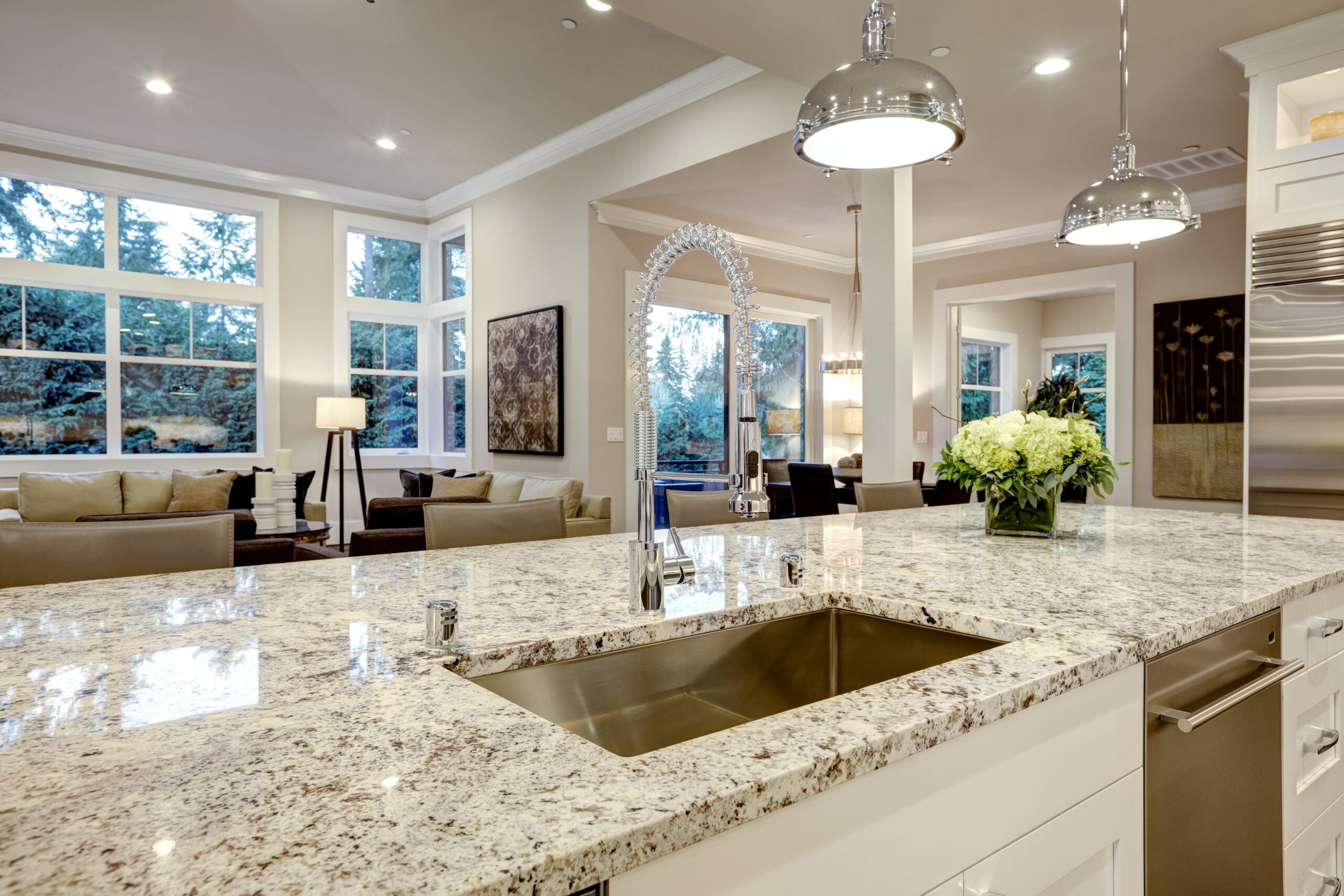
Fact: Heat Resistance Is A Built-In Benefit
Unlike many synthetic countertop options, granite can handle high temperatures without damage. You can set down a hot pan without worrying about melting, warping, or leaving a burn mark. That doesn’t mean granite is immune to thermal shock or poor habits; using trivets and hot pads is still a smart choice, as heat can damage the finish. But granite’s heat tolerance adds peace of mind during busy cooking sessions, and if you quickly have to put a hot pot down, you don’t have to worry.
Myth: Granite Is Outdated
Some homeowners worry that granite has gone out of fashion, replaced by newer options like quartz or ultra-compact surfaces. In truth, granite remains a leading choice for upscale kitchens, and new quarrying and finishing techniques have expanded the range of colors and patterns available. From soft neutrals to bold veining, granite offers variety that works beautifully in both modern and traditional spaces.
Fact: Maintenance Is Manageable
Granite does require some upkeep, but it’s far from burdensome. With a quick wipe-down each day and resealing as needed every few years, your granite countertops will stay in great shape. Avoiding harsh chemicals, acidic cleaners, or abrasive scrubbers is a good habit, as it protects both the stone and its sealant.
Set The Record Straight With Alps Craftsman
Granite isn’t high-maintenance; it’s high-performance. If you’re considering granite for your kitchen or bathroom, don’t let myths hold you back.
At Alps Craftsman, we work with premium granite and expert installers to make sure your surfaces are as practical as they are beautiful. Contact us today for a free quote and discover the lasting benefits of a professionally installed granite countertop.
