
A Guide to Replacing Bathroom Countertops for a Fresh, Updated Look
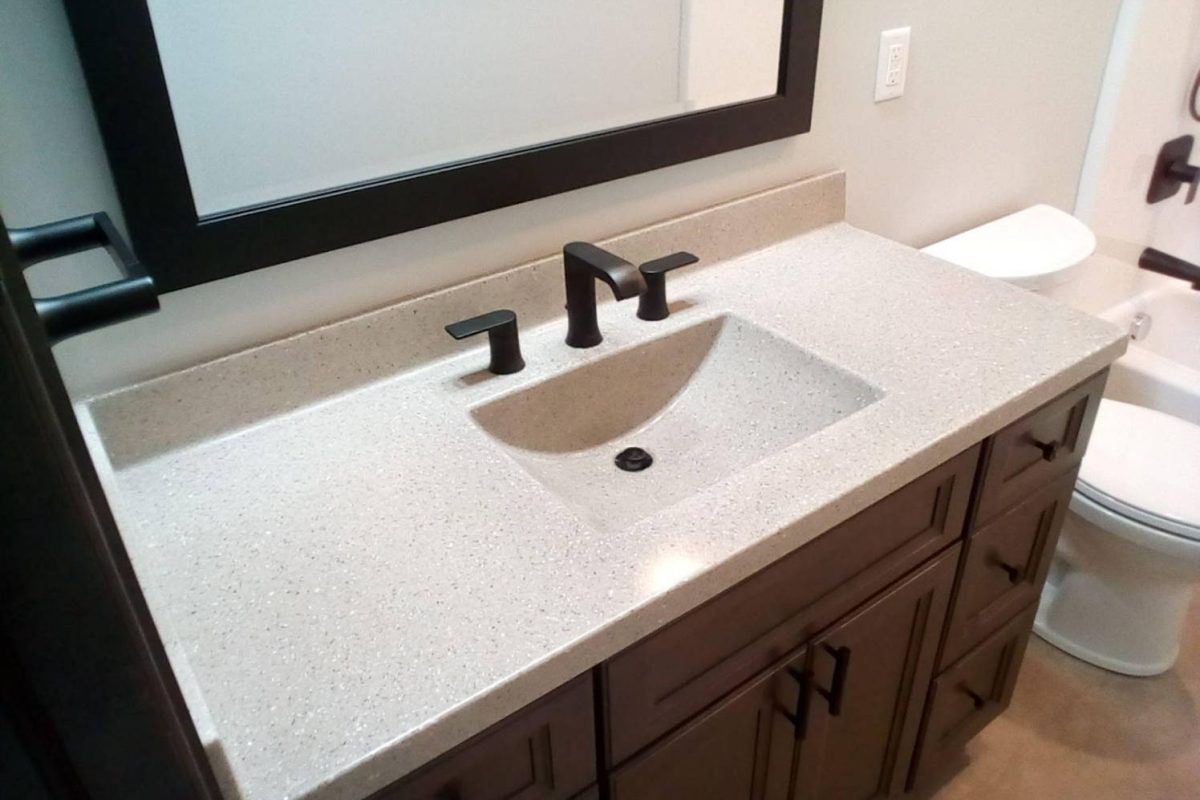
Replacing bathroom countertops is one of the most effective ways to update the look and feel of a bathroom. Over time, countertops can become dated or worn, detracting from the overall aesthetic of the space. Choosing the right materials and understanding the process of bathroom countertop replacement ensures a smooth upgrade, adding both functionality and style to your bathroom.
Replace Bathroom Countertop: Understanding When It’s Time
Knowing when to replace bathroom countertops can help you maintain a polished and functional bathroom space. Stains, chips, cracks, and visible wear are common indicators that your current countertops may need replacing. Even if the surface remains functional, older materials can limit your bathroom’s appeal, making it look outdated. Replacing a countertop not only revitalizes the room but also allows you to customize the space to match your style preferences and meet modern design standards.
Choosing to replace your bathroom countertop can also be a practical decision. Upgrading to materials like marble, granite, quartz, or quartzite offers improved durability, making your bathroom more resistant to everyday use. Modern materials are long-lasting and easier to maintain, which is an important consideration for a high-use area like a bathroom. Your fabricator can help you figure out the ideal maintenance routine and schedule for your new bathroom countertops.
Bathroom Countertop Replacement: Making the Right Choices
Selecting the right countertop material is a key step in bathroom countertop replacement. The material you choose should balance beauty, functionality, and durability. Marble provides a classic, elegant look with unique veining that creates a luxurious ambiance. Granite offers natural strength and a wide range of colors, making it both practical and visually appealing. Quartz is known for its non-porous surface, which resists stains and requires minimal maintenance, while quartzite combines natural stone beauty with superior hardness, ideal for high-traffic bathrooms.
In addition to selecting the material, you’ll need to think about the edge profiles, finishes, and the overall compatibility with your bathroom’s design. Soft, rounded edges can create a tim