
Choosing and Installing Outdoor Countertops
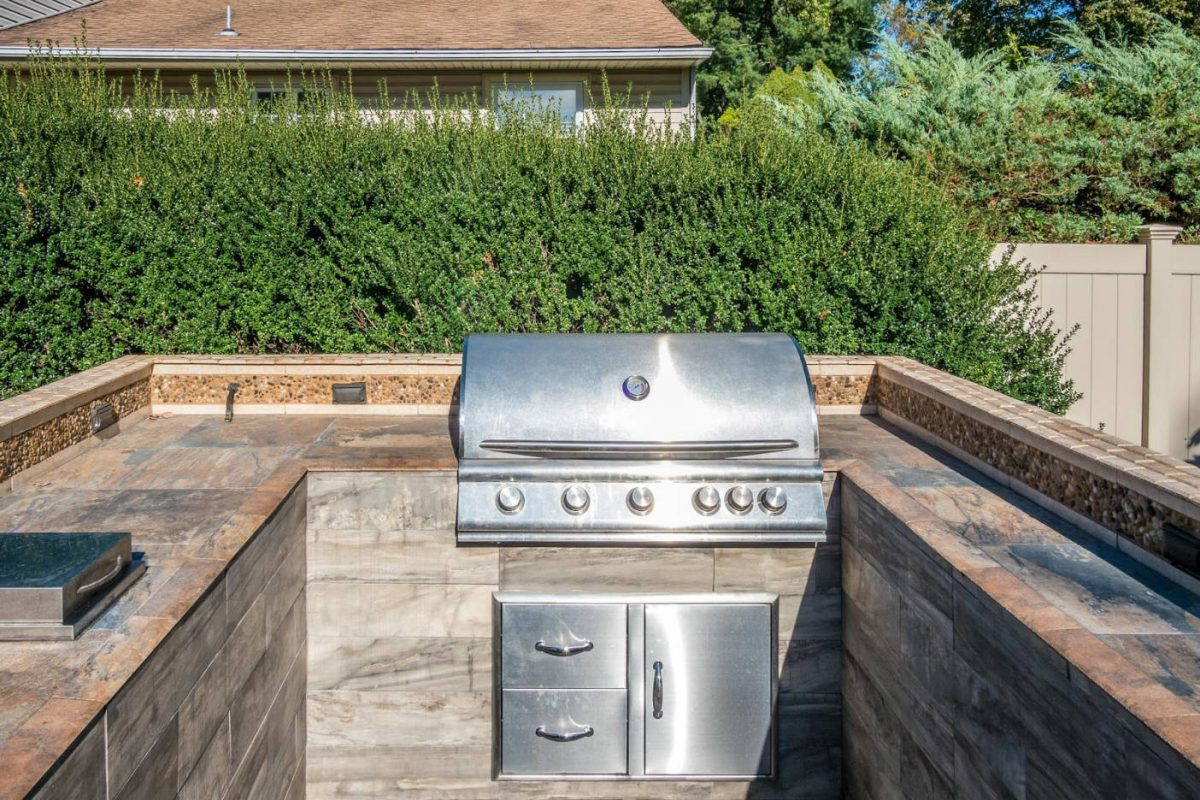
Turning your backyard into an outdoor oasis is a very popular home improvement project that lets you get the best use out of your space. Whether you’re a grillmaster, a mixologist, or just enjoy sitting outside to eat and entertain, an outdoor countertop installation is the perfect project for your next home renovation goal.
Best Stones for Outdoor Countertops
Choosing the right material for your outdoor countertops is essential to ensure durability and aesthetics. Natural stone is always a popular choice due to its resilience and timeless appeal. When selecting the best stones for outdoor use, it’s important to consider factors such as weather resistance, color retention, and overall strength.
Granite is often regarded as the top contender for outdoor countertops. Its inherent toughness makes it resistant to chipping, scratching, and high temperatures. Granite also holds up exceptionally well against moisture and UV rays, maintaining its color without fading over time.
Marble, while known for its beauty, requires more maintenance than granite. If sealed properly and maintained regularly, marble can be a stunning addition to your outdoor space. For homeowners who love the unique veining and upscale appearance, it’s worth considering, albeit with extra care. Another excellent choice is quartzite. It can withstand temperature changes and is less prone to staining than marble, making it a reliable option for those looking for a blend of practicality and elegance.
Outdoor Countertop Installation
Proper outdoor countertop installation is key to maximizing the lifespan of your stone surface. Unlike indoor installations, outdoor environments expose countertops to varied weather conditions, which can affect their performance if not installed correctly. This is why hiring experienced professionals is crucial for this type of project.
An outdoor installation begins with a sturdy and level base, ensuring that the stone has solid support to prevent shifting or cracking over time. The base material should be designed to withstand moisture to avoid erosion and structural damage. Expert installers will also take into account factors like drainage and exposure to the elements, ensuring your countertop remains functional and appealing through different seasons.
Securing the stone with weather-resistant adhesives and sealants is another vital step in the installation process. These materials help protect against moisture penetration and temperature fluctuations, which can expand or contract the stone over time. Proper sealing is particularly important for porous stones like marble to minimize the risk of staining and moisture absorption.
Outdoor Countertops Costs
The cost of outdoor countertops varies depending on factors such as the type of stone, installation complexity, and the size of the project. Granite, being the most popular choice, generally falls into a mid-range price bracket. It offers a balance of cost-efficiency and long-term value due to its durabilit