
Making the Right Choice for Your Kitchen: Granite vs Quartz Countertops
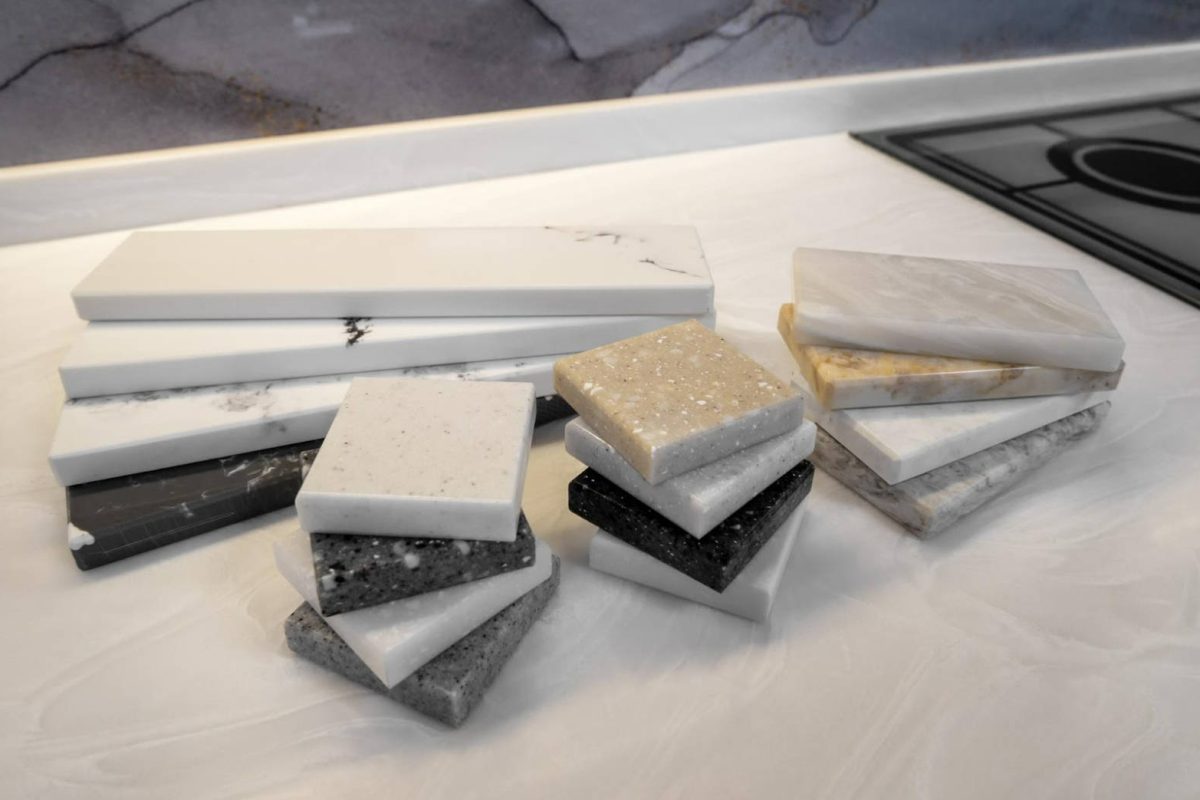
Choosing the perfect countertop material is an extremely important part of designing a beautiful and functional kitchen. Both granite and quartz offer great durability and come in a variety of colors and patterns, but these stones’ unique qualities may influence your decision. Understanding the differences helps ensure your choice fits both your lifestyle and design goals. Let’s take a look at the things you should consider when choosing granite or quartz countertops.
Granite vs Quartz: Pros and Cons
Granite is a natural stone, extracted from quarries and cut into slabs for use as countertops. Its distinct veining and natural beauty make it a popular choice for those seeking one-of-a-kind designs. Each slab has unique patterns and colors, which adds to its trademark look. Granite is incredibly durable and heat-resistant, making it ideal for busy kitchens where hot pans might be placed directly on the surface. (That said, you should still use hot pads or trivets– even though heat won’t hurt the granite countertop, it can damage or cloud the sealant.)
However, granite is porous, meaning it can absorb liquids and become prone to staining if not properly sealed. Regular sealing is required to maintain its beauty and protect it from spills. Additionally, because granite is a natural product, it can have slight imperfections or variations in the stone, which can make it difficult to match up during installation.
Quartz is an engineered stone composed of crushed quartz mixed with resins and pigments. This manufacturing process allows for a wider variety of colors and patterns, often mimicking the look of natural stone while providing more design consistency. Quartz countertops are non-porous, making it highly resistant to staining and bacteria buildup, and it does not require sealing, which simplifies maintenance.
One potential downside to quartz is that it is less heat-resistant than granite. Direct exposure to hot cookware can damage the resins used in its manufacturer, so using trivets or hot pads is necessary. Also, quartz can fade when exposed to sunlight– the UV ca